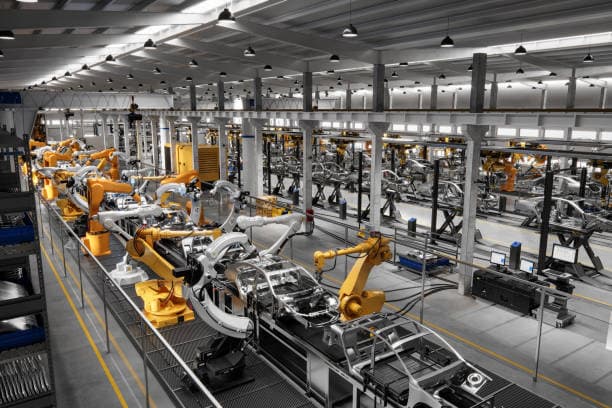
Industries · Automotive
Regulatory Compliance for Automotive Industry
ESG advisory for automotive OEMs and suppliers navigating fleet emission targets, upstream carbon exposure and investor-grade disclosure.
By The Numbers
The compliance reality
The regulatory pressure facing the sector, quantified. Every figure below is a live obligation, not a projection.
₹0 Cr
Recalculated CAFE-2 penalty across 9 carmakers
0
Listed companies BRSR Core will cover by FY 2026-27
₹0
CAFE-III credit price from FY2028, rising ₹500/yr
0+
Steel & aluminium products entering CBAM scope by 2028
Material ESG Topics
Which ESG topics are most material for automotive companies?
Compliance Is a Fleet-Wide Average, Not a Per-Vehicle Target
Automakers can't simply fix one underperforming model; fuel efficiency and emissions targets apply across the entire model range, so a single high-emission vehicle can drag down compliance for an otherwise efficient lineup. That makes portfolio strategy, not engineering fixes alone, the real compliance lever.
Who is watching
Regulatory Landscape
Automotive industry ESG regulations in India
 01
01Corporate Average Fuel Efficiency (CAFE) Norms
Active, CAFE-III from FY28Fleet-average fuel efficiency obligations for OEMs selling 1,000+ vehicles a year; CAFE-2 penalties for nine carmakers recalculated to ₹2,728 crore; CAFE-III tightens targets from FY28 with credits starting at ₹2,500, rising ₹500/year through FY2032.
 02
02BRSR / BRSR Core
Active, expandingAssurance already covers the top 250 listed companies, expanding to the top 1,000 by FY 2026-27.
 03
03EU Carbon Border Adjustment Mechanism (CBAM)
Active, expanding 2028Applies to steel and aluminium inputs; a proposed 2028 expansion would pull roughly 180 more products into scope, hitting component suppliers directly.
 04
04Carbon Credit Trading Scheme (CCTS)
ActiveApplies to upstream metal suppliers (steel, aluminium) feeding the automotive value chain, under binding installation-level emission intensity targets.
ESG Astraa Services
Services for automotive companies
 01
01BRSR / BRSR Core Readiness
Disclosure-grade data systems built to hold up to assurance, for listed OEMs and ancillary suppliers.
Learn moreHover to view →
 02
02Carbon Accounting & Emissions Measurement
Fleet, plant and supplier-level emissions data tracked the way CAFE and BRSR both require.
Learn moreHover to view →
03CBAM Advisory & Compliance
Embedded carbon calculated in steel and aluminium inputs, with EU-ready documentation prepared.
Learn moreHover to view →
 04
04ESG Data Systems, MRV & Managed Support
Multi-plant, multi-supplier operations run on systems built for facility-level reporting, not spreadsheets.
Learn moreHover to view →
Our Approach
How ESG Astraa helps automotive companies
A structured, evidence-led engagement, from baseline to assured reporting, so every claim you make holds up under audit.
Delivered end-to-end by our sector compliance team.
Step 01
Fleet, Plant & Supplier Baseline
Emissions measured across the fleet, plants and supplier base, the way CAFE and BRSR both expect to see it.
Step 02
Fleet-Average Gap-Closing Plan
Embedded carbon calculated in steel and aluminium inputs, alongside a costed plan to close the CAFE fleet-average gap.
Step 03
Reporting Rollout Across Plants & Suppliers
Multi-plant and multi-supplier operations moved onto a single system built for facility-level reporting.
Step 04
Assured Disclosure, Filed Every Cycle
BRSR / BRSR Core disclosures brought to assurance standard, with CAFE and CBAM filings kept current every reporting cycle.
ESG Astraa
online
Pick a question
0/5Automotive
Get your Automotive sector ESG assessment
Our team will assess your CAFE penalty exposure, CBAM supplier risk and BRSR Core readiness, and deliver a priority action plan within 2 weeks.
What we assess
- CAFE penalty exposure
- CBAM supplier risk
- BRSR / BRSR Core readiness
Priority action plan delivered within 2 weeks.
Get in touch
Prepare for What's Next
Looking for the right compliance partner? We're here to help.
Consultation
Request a call
Share your immediate priorities and we will suggest a practical first step.