
Industries · Chemicals & Petrochemicals
Regulatory Compliance for Chemicals & Petrochemicals Industry
ESG advisory for chemical and petrochemical companies navigating carbon targets, export market access and investor-grade disclosure.
By The Numbers
The compliance reality
The regulatory pressure facing the sector, quantified. Every figure below is a live obligation, not a projection.
0+
Industrial installations under binding CCTS targets
₹0/tCO₂e
CCTS shortfall penalty, enforced by CPCB
0+
Chemical products covered by Quality Control Orders
₹0 Cr
Sector's current trade deficit
Material ESG Topics
Which ESG topics are most material for chemicals & petrochemicals companies?
Hazard Is Inherent to the Product, Not an Operational Failure
Chemical manufacturing inherently involves hazardous materials handling and storage, so safety and environmental risk are built into the business itself rather than resulting from poor practice. Compliance here means managing an intrinsic risk, not eliminating an avoidable one.
Who is watching
Regulatory Landscape
Chemicals & petrochemicals industry ESG regulations in India
 01
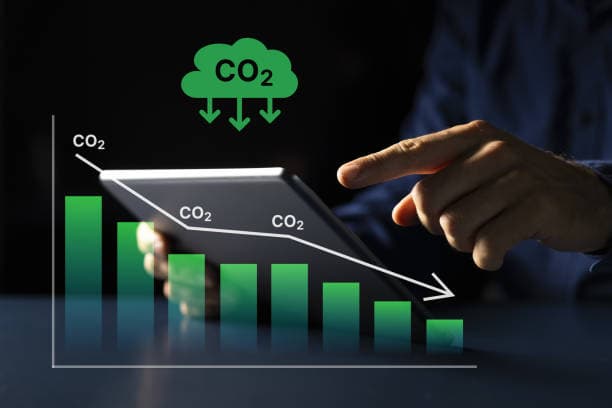
01Carbon Credit Trading Scheme (CCTS)
ActiveOver 460 industrial installations across petrochemicals and four other sectors under binding installation-level emission intensity targets; shortfall penalties of ₹1,600 per tCO₂e enforced by CPCB.
 02
02BRSR / BRSR Core
ActiveAssured disclosure requirements for listed chemical companies, including value chain data increasingly expected by EU buyers.
 03
03EU REACH Registration
ActiveChemical shipments above 1 tonne a year to Europe require REACH registration before clearing EU customs.
 04
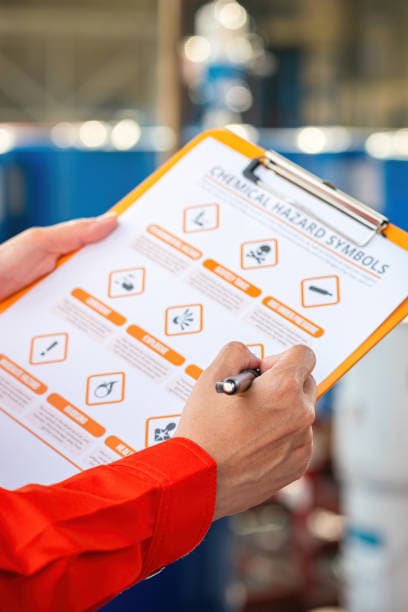
04Manufacture, Storage and Import of Hazardous Chemicals (MSIHC) Rules
ActiveHandling, storage and import obligations for hazardous chemicals manufactured or imported in India.
 05
05EU Corporate Sustainability Due Diligence Directive (CSDDD)
Active, phasedHuman rights and environmental due diligence obligations extending across chemical and petrochemical supply chains for companies within scope.
ESG Astraa Services
Services for chemicals & petrochemicals companies
01CCTS Advisory & Carbon Market Readiness
Installation-level baselines and BEE action plans built ahead of the next compliance deadline.
Learn moreHover to view →
 02
02Carbon Accounting & Emissions Measurement
Direct, process and electricity emissions tracked per plant, the way CCTS requires.
Learn moreHover to view →
 03
03BRSR / BRSR Core Readiness
Disclosure-grade data systems built to hold up to assurance, including value chain data EU buyers now expect.
Learn moreHover to view →
 04
04ESG Data Systems, MRV & Managed Support
Multi-plant operations run on systems built for facility-level reporting, not spreadsheets.
Learn moreHover to view →
Our Approach
How ESG Astraa helps chemicals & petrochemicals companies
A structured, evidence-led engagement, from baseline to assured reporting, so every claim you make holds up under audit.
Delivered end-to-end by our sector compliance team.
Step 01
Plant-Level Emissions Baseline
Direct, process and electricity emissions tracked per plant, the way CCTS requires it measured.
Step 02
CCTS Gap-Closing Plan
A costed action plan and BEE submission built to close the gap ahead of the next compliance deadline.
Step 03
Facility-Level Reporting Rollout
Multi-plant operations moved onto a single system built for facility-level reporting, replacing scattered spreadsheets.
Step 04
Assurance, Including What EU Buyers Expect
BRSR / BRSR Core disclosures brought to assurance standard, including the value chain data EU buyers now expect to see.
ESG Astraa
online
Pick a question
0/5Chemicals & Petrochemicals
Get your Chemicals & Petrochemicals sector ESG assessment
Our team will assess your CCTS exposure, REACH registration readiness and BRSR Core gaps, and deliver a priority action plan within 2 weeks.
What we assess
- CCTS emission intensity exposure
- REACH registration readiness
- BRSR / BRSR Core disclosure gaps
Priority action plan delivered within 2 weeks.
Get in touch
Prepare for What's Next
Looking for the right compliance partner? We're here to help.
Consultation
Request a call
Share your immediate priorities and we will suggest a practical first step.