First Mover, Hardest Route
How A.P. Moller-Maersk Is Decarbonising the Industry That Moves the World, Before the World Is Ready for It
Summary
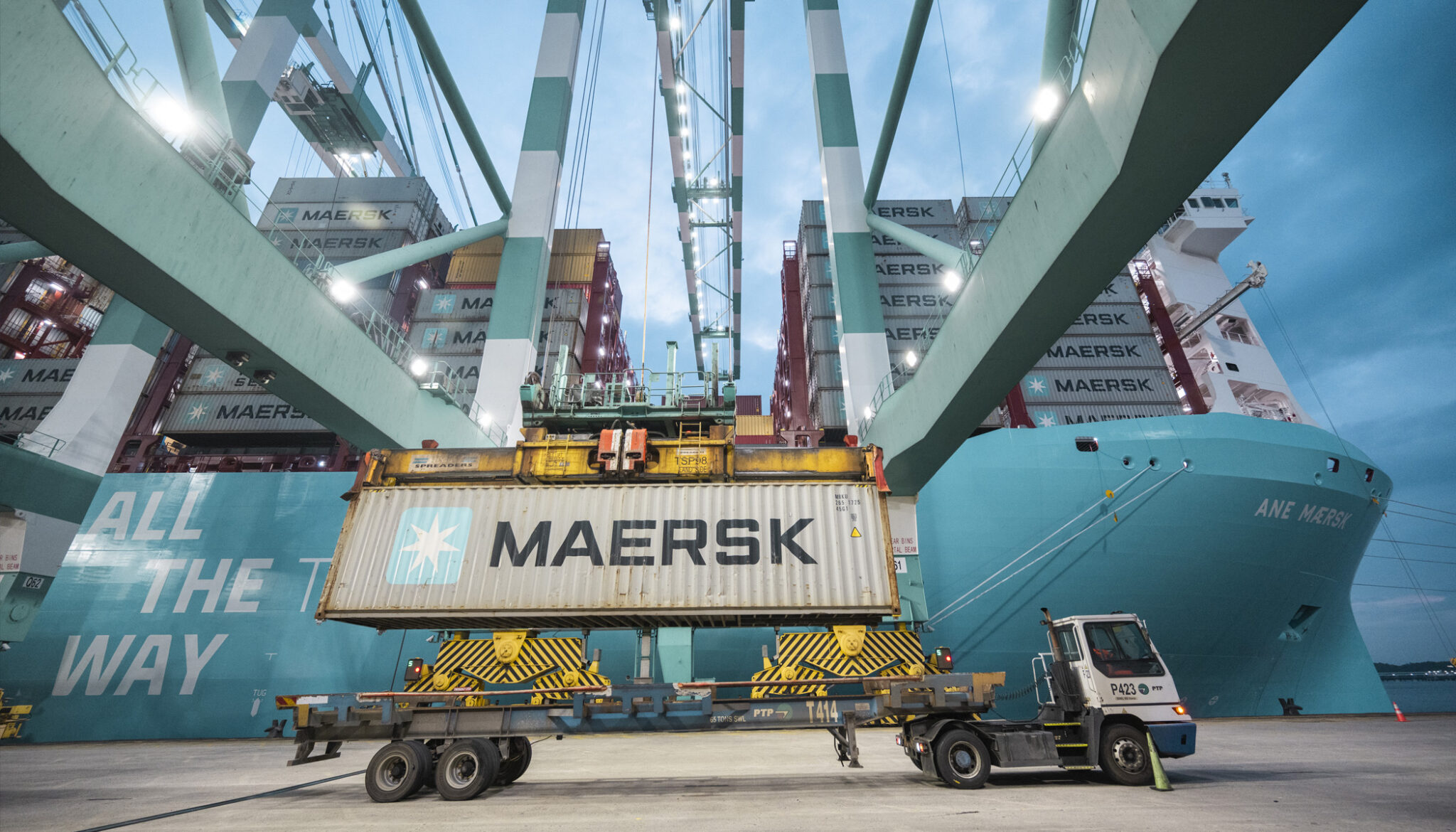
Container shipping moves over 80% of global trade and produces roughly 3% of global CO2 emissions, with no clean alternative to heavy fuel oil at commercial scale when Maersk committed to net zero by 2040 in 2021.
Maersk ran a market-creation strategy: ordering dual-fuel methanol vessels and signing offtake agreements before green fuel was price-competitive, redesigning routes through the Gemini Cooperation, and moving ESG governance under its Board Audit Committee.
By 2024, seven dual-fuel methanol vessels had joined the fleet, Maersk became the first shipping company with SBTi validation, and it delivered USD 6.5 billion EBIT, its third-best financial result on record.
What makes Maersk's disclosure unusually credible?
In 2024, absolute emissions rose to 83.5 Mt CO2e and a safety metric worsened, and Maersk reported both in its CSRD-compliant Integrated Annual Report with the same audited rigour as its financial results.
Full Case Study
Read the complete methodology, results and roadmap in the PDF.
Keep Reading
Related Case Studies
Construction
Concrete Targets, Measurable Results
Skanska's ESG Operating Model
Read more
Electrical Equipment
Operating The Future
How Schneider Electric Turned ESG Into a Growth Engine
Read more
Pharmaceuticals
When the Medicine Must Also Heal the Planet
How Sanofi Is Rebuilding Pharmaceutical Manufacturing From the Inside Out
Read moreNext Step
Ready to turn ESG complexity into strategic advantage?
Talk to ESG Astraa about disclosures, climate strategy, governance controls, and execution support for your team.