The 850°C Challenge
How BASF SE is redesigning high-heat chemistry for a net-zero future
Summary
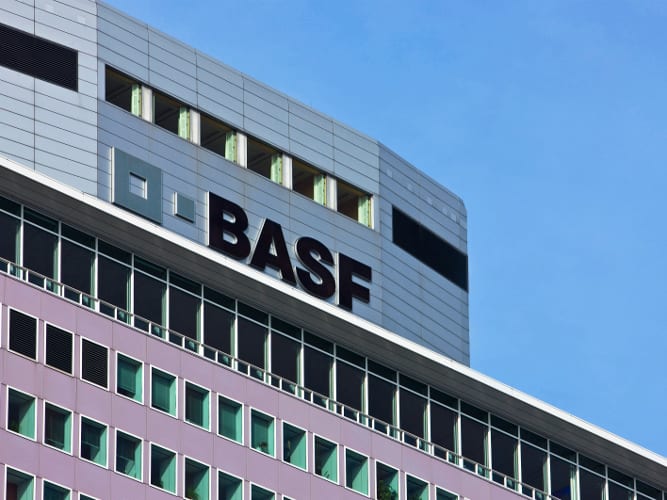
BASF, the world's largest chemical company, needed to decarbonise 850°C steam-cracking furnaces and hydrogen supply chains inside a 160-year-old Verbund network, without compromising the cost efficiencies that architecture depends on.
From 2020, BASF wired Scope 1+2 CO2 reduction into executive pay, piloted electrified steam crackers with SABIC and Linde, built a Ludwigshafen green hydrogen electrolyser, and pushed Product Carbon Footprints for ~45,000 products onto the Catena-X network.
By 2024, Scope 1+2 emissions held at 17.0 Mt CO2e as production rose, renewable electricity reached 26%, and Sustainable-Future Solutions grew to 46.3% of revenue, up from 41.4% in 2023.
Is 17.0 Mt CO2e actually progress, or just flat emissions?
Absolute emissions held flat despite production growth, meaning emission intensity fell, with specific emissions per tonne of product down roughly 74-75% versus the 1990 baseline even as output has grown substantially.
Full Case Study
Read the complete methodology, results and roadmap in the PDF.
Keep Reading
Related Case Studies
Construction
Concrete Targets, Measurable Results
Skanska's ESG Operating Model
Read more
Electrical Equipment
Operating The Future
How Schneider Electric Turned ESG Into a Growth Engine
Read more
Pharmaceuticals
When the Medicine Must Also Heal the Planet
How Sanofi Is Rebuilding Pharmaceutical Manufacturing From the Inside Out
Read moreNext Step
Ready to turn ESG complexity into strategic advantage?
Talk to ESG Astraa about disclosures, climate strategy, governance controls, and execution support for your team.