Rewriting the Fashion Equation
How H&M is reshaping inputs, scale, and sustainability
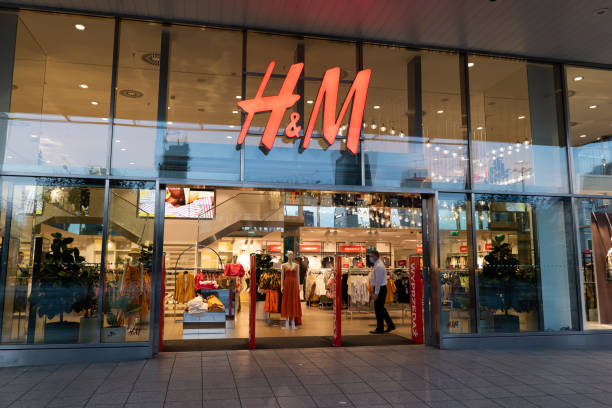
Summary
H&M Group operates roughly 4,253 stores across 75+ markets and generated SEK 234 billion in FY 2024 net sales, a business model structurally at odds with sustainability, from coal-reliant supply chains to a 2012 greenwashing controversy over its own Conscious label.
H&M built the Green Fashion Initiative to fund supplier decarbonisation, pursued Direct Power Purchase Agreement legislation in Vietnam and Bangladesh, moved sustainability claims under legal review after the Higg MSI controversy, and extended Scope 3 data collection to Tier 3 spinning mills.
By FY 2024, Scope 1 and 2 emissions were down 41% and Scope 3 down 24% against a 2019 baseline, coal boilers fell from 118 to 27, and operating profit grew 19% year-on-year to SEK 17.3 billion.
What makes H&M's case analytically distinctive?
H&M built financing instruments, data infrastructure, and regulatory advocacy tailored to specific market failures blocking supplier decarbonisation, rather than setting targets and hoping suppliers would comply on their own.
Full Case Study
Read the complete methodology, results and roadmap in the PDF.
Keep Reading
Related Case Studies
Pharmaceuticals
Growing Bigger, Getting Cleaner
How Novo Nordisk Is Building a Net Zero Architecture Inside One of the World's Fastest-Growing Pharmaceutical Companies
Read more
Circular Economy
Turning Waste into Worth:
The Unilever ESG Story
Read more
Consumer Goods
When Purpose Drives Profit
How Patagonia Turned Sustainability Into a Growth Engine, Not a Burden
Read moreNext Step
Ready to turn ESG complexity into strategic advantage?
Talk to ESG Astraa about disclosures, climate strategy, governance controls, and execution support for your team.