From Fossil Fuel Giant to World's #1 Green Energy Company
How Orsted Transformed a Coal-Heavy Energy Giant into the Global Leader in Offshore Wind
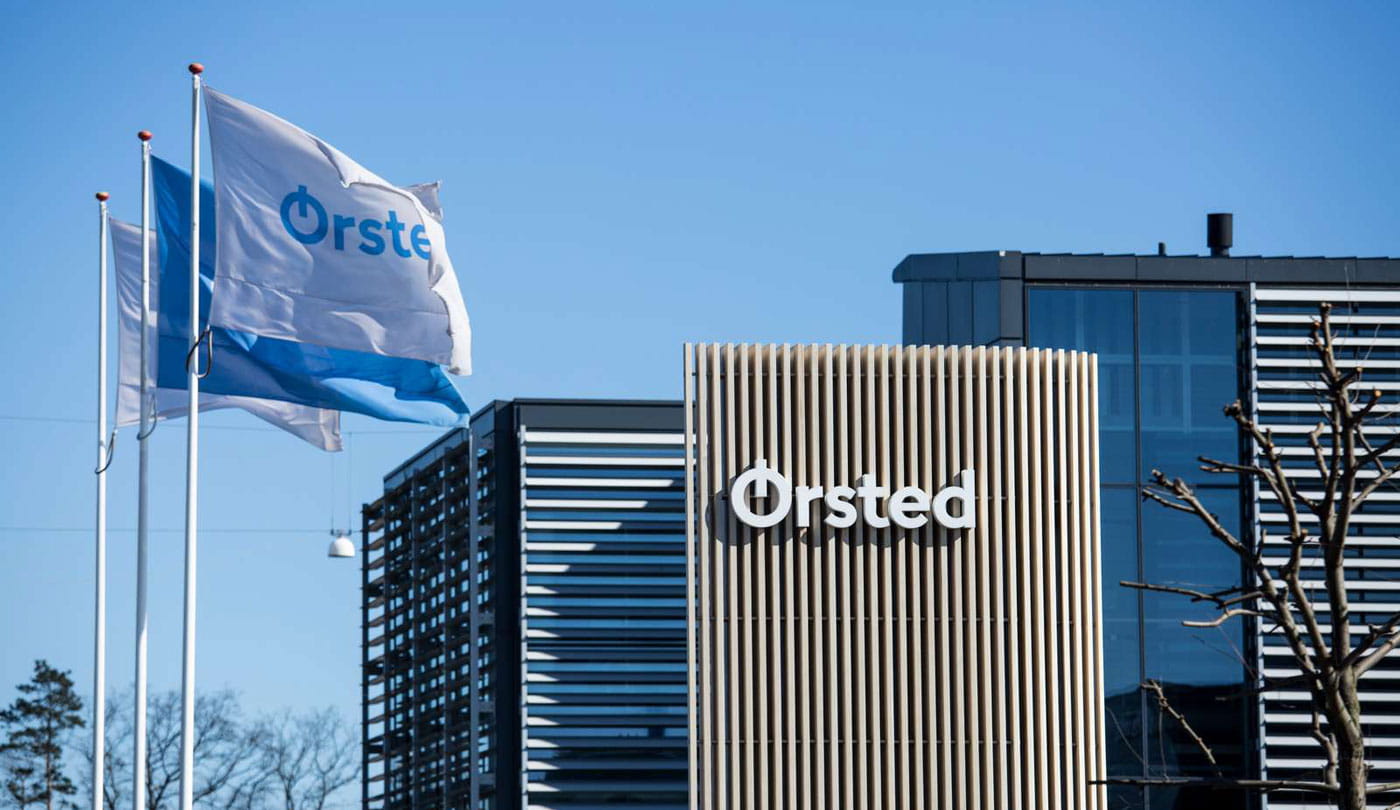
Summary
In 2006, DONG Energy was a Danish state-owned utility responsible for one-third of the country's carbon emissions, with 85% of its generation running on coal. In 2009 its leadership committed to reversing that mix entirely toward renewables.
Orsted scaled offshore wind to cost parity through a bulk 500-turbine order, used a biomass bridge to retire coal plants without breaking supply obligations, divested its oil and gas business, and restructured financing around green bonds exclusively from 2017.
By 2024, Orsted closed its last coal plant, cut GHG emissions intensity 98% versus 2006, and reached 18.2 GW of installed renewable capacity, while EBITDA grew to DKK 24.8 billion in the same year.
What makes this transformation unusually credible?
Every pillar was commercially self-reinforcing rather than subsidised: divestment proceeds funded new wind builds, and green bond financing made reversing the transition structurally and legally costly.
Full Case Study
Read the complete methodology, results and roadmap in the PDF.
Keep Reading
Related Case Studies
Wind Energy & Circular Economy
When Green Wasn't Enough:
How Vestas Reinvented Sustainability
Read more
FMCG & Circular Economy
Turning Waste into Worth:
The Unilever ESG Story
Read more
FMCG & Consumer Goods
When Purpose Drives Profit
How Patagonia Turned Sustainability Into a Growth Engine, Not a Burden
Read moreNext Step
Ready to turn ESG complexity into strategic advantage?
Talk to ESG Astraa about disclosures, climate strategy, governance controls, and execution support for your team.