From Climate Risk to Climate Leadership
From Compliance to Carbon Negative: How a Flooring Company Rewrote the Rules of Industrial Sustainability
Summary
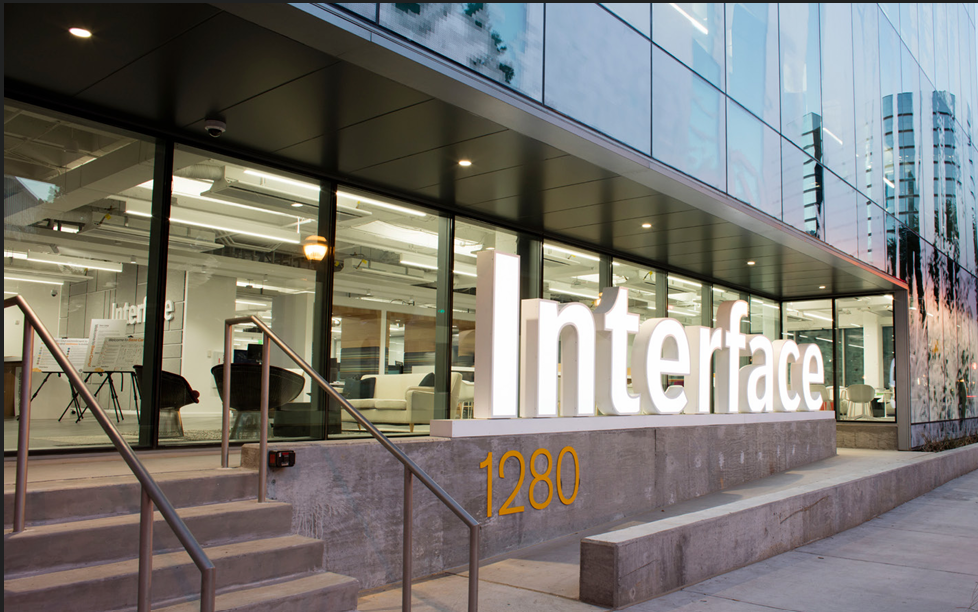
Interface was founded in 1973 as a petroleum-intensive carpet tile manufacturer. In 1994, founder Ray C. Anderson described industrial companies as thieves of the future, triggering a transformation that has run for three decades since.
Interface rebuilt its nylon supply chain with Aquafil, engineered a carbon-storing CQuest backing system, built its own carpet-separation infrastructure for the ReEntry reclamation programme, and co-created Net-Works with the Zoological Society of London.
Scope 1 and 2 emissions are down 96% since 1996, 82% of yarn now comes from recycled waste nylon, and in 2020 Interface launched the world's first carbon-negative carpet tile.
What makes this transformation unusually rigorous?
In 2024, Interface discontinued its carbon offset programmes entirely, redirecting that budget into direct decarbonisation R&D toward a 2040 carbon-negative enterprise target with no offsets at all.
Full Case Study
Read the complete methodology, results and roadmap in the PDF.
Keep Reading
Related Case Studies
Circular Economy
Turning Waste into Worth:
The Unilever ESG Story
Read more
Pharmaceuticals
Growing Bigger, Getting Cleaner
How Novo Nordisk Is Building a Net Zero Architecture Inside One of the World's Fastest-Growing Pharmaceutical Companies
Read more
FMCG & Consumer Goods
When Purpose Drives Profit
How Patagonia Turned Sustainability Into a Growth Engine, Not a Burden
Read moreNext Step
Ready to turn ESG complexity into strategic advantage?
Talk to ESG Astraa about disclosures, climate strategy, governance controls, and execution support for your team.